

Northwest Illinois Directory
Historic Venue in Whiteside County
Every supper club, trailhead, main-street shop, and stay across all four counties: searchable in one place.
 Albany Mounds State Historic SiteAlbany Indian Mounds State Historic Site in Albany, Illinois consists of 205 acres of tree covered hills, valleys and surrounding prairie which is ideal for a walk, bike ride or just sitting and observing the wildlife from deer to eagles that call the park home.
The Indian Mounds is now an Illinois State Historic Site. Laying neglected for hundreds of years it is now a natural park open for the public. The Albany Indian Mounds Foundation sees the site as an interpretive center for the history of the Hopewellian culture of more than 2000 years ago.
Located at the south end of the village, there is a parking lot at the entrance, at the southwest end of Cherry Street. Nearby is a covered picnic shelter with tables and electricity outlets, water fountain, rest rooms and interpretive signs. The parking lot is also the north entrance of the asphalt-covered Great River Recreation Trail. Here the trail runs for nearly a mile to the south to Bunker Hill and Meredosia roads. Across Meredosia Road to the south is another 15 acres that once was a village site owned by the Illinois Historic Preservation Agency. The Natives who lived here as early as 500 BC were part of the Hopewell culture, so named because their existence was first learned of on the Hopewell farm in Ohio, where similar mounds had been built. It is not known what the people called themselves or what language they spoke. It is believed that their culture declined sometime around 350 A.D.
The site was well-suited to the Hopewell culture, which was not an Indian tribe but rather a term referring to the period in American Indian prehistory marked by trade, communication, and the sharing of ideas throughout a huge area of the continent. They preferred to build their villages at the base of bluffs along the floodplains of major rivers, such as the Mississippi, that offered transportation. At Albany, with the adjacent Meredosia Slough, which served as flood drainage for the Mississippi and Rock rivers, there was an abundant source of food and water. The waters, forests, and prairie provided food and fuel for the Hopewell.
Open dawn until dusk.
The site also includes a parking lot, picnic shelter, walking trails, and interpretive signs along a bike trail. The Friends of the Albany Indian Mounds Foundation is dedicated to the preservation and interpretation of the site.
Accessibility Information
The following are available for the visitor to the site:
The parking lot is blacktop. There are no spaces marked accessible.
There are no sidewalks or ramps.
There are no buildings or an office at this site.
There are no water fountains at this site, but there is a pit toilet, which isn't marked accessible.
The site has a one-mile blacktop bike trail.
 Asa Crook HomeHistoric home built in 1839 by Prophetstown’s first settler, Asa Crook Sr. Served as inn, church, school, and post office. Restored and preserved by the Prophetstown Area Historical Society. Near the Rock River on Asa Crook’s original land.
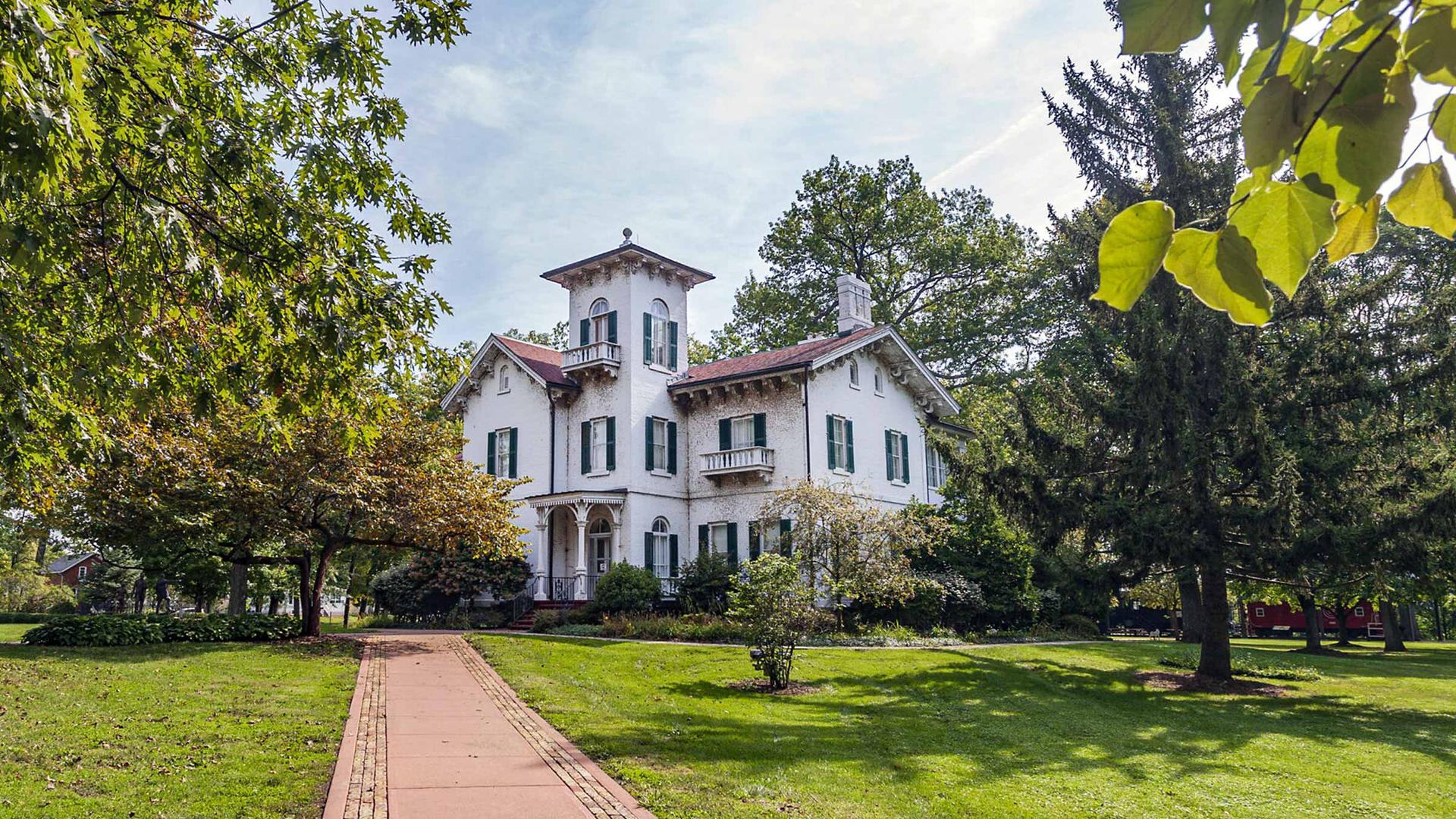 Dillon Home MuseumThe 1858 Dillon Home Museum offers a glimpse into Sterling’s past through the beautifully preserved Victorian home of Ambrose and Julia Dillon. Built in the late 19th century, the home reflects the craftsmanship, furnishings, and everyday life of a prominent local family, bringing regional history to life room by room.
Visitors explore the home through guided tours led by knowledgeable docents who share stories about the Dillon family, the home’s architecture, and its role in the community. Original details, period décor, and thoughtfully maintained spaces make each tour both informative and engaging.
Guided tours are offered every Wednesday, Thursday, and Friday at 10 a.m., 11 a.m., 1 p.m., and 2 p.m. Additional tours are available by appointment only from 3–5 p.m. The museum is also open the second weekend of each month, with guided tours on Saturday and Sunday at the same times. Whether you’re a history enthusiast or simply curious about Sterling’s heritage, the Dillon Home Museum provides a meaningful and memorable stop.
Admission
General Admission: $7
Seniors (60+): $6
 Historic Lyndon BridgeCompleted in 1894, the Historic Lyndon Bridge is a pedestrian-only Parker Pratt through-truss bridge listed on the National Register of Historic Places. Walk across for quiet Rock River views and photo opportunities, then pause at the nearby park’s shelter, swing, bench, and grill.
